Visual Communication At The Levels School
Visual Communication encompasses all forms of art, craft and design. The aim of the department is to make young people visually aware and able to form their own opinions about the aesthetic world around them. Prep and KS3 follow the National Curriculum for Art and Design, as this naturally leads onto the Art, Craft and Design GCSE.
Teaching for all year groups at The Levels School is individualised to each student’s need. Initial themes or topics are given as starting points throughout the year but the ways that work develops will vary depending on the interest and ability of each student.
The different needs of students are met through tailoring each task, piece of work, or project to the individual. The use of templates, working into existing images, using digital equipment, and varying the use of media and materials are examples of how starting points can be differentiated to meet the needs of individuals.
Prep
Our art curriculum enables our pupil’s creativity through exploration, inspiration, collaboration and specific teaching of skills.
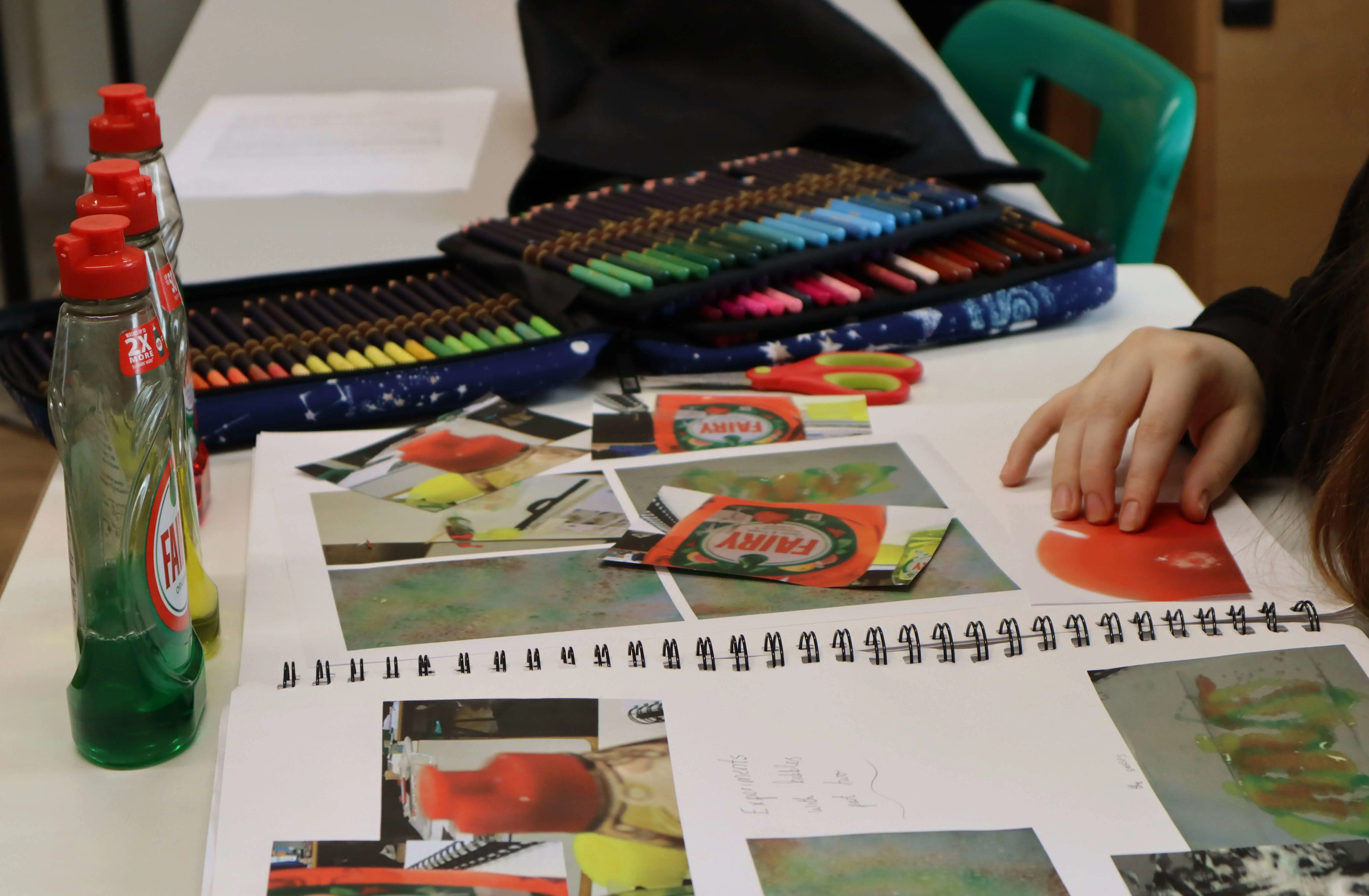
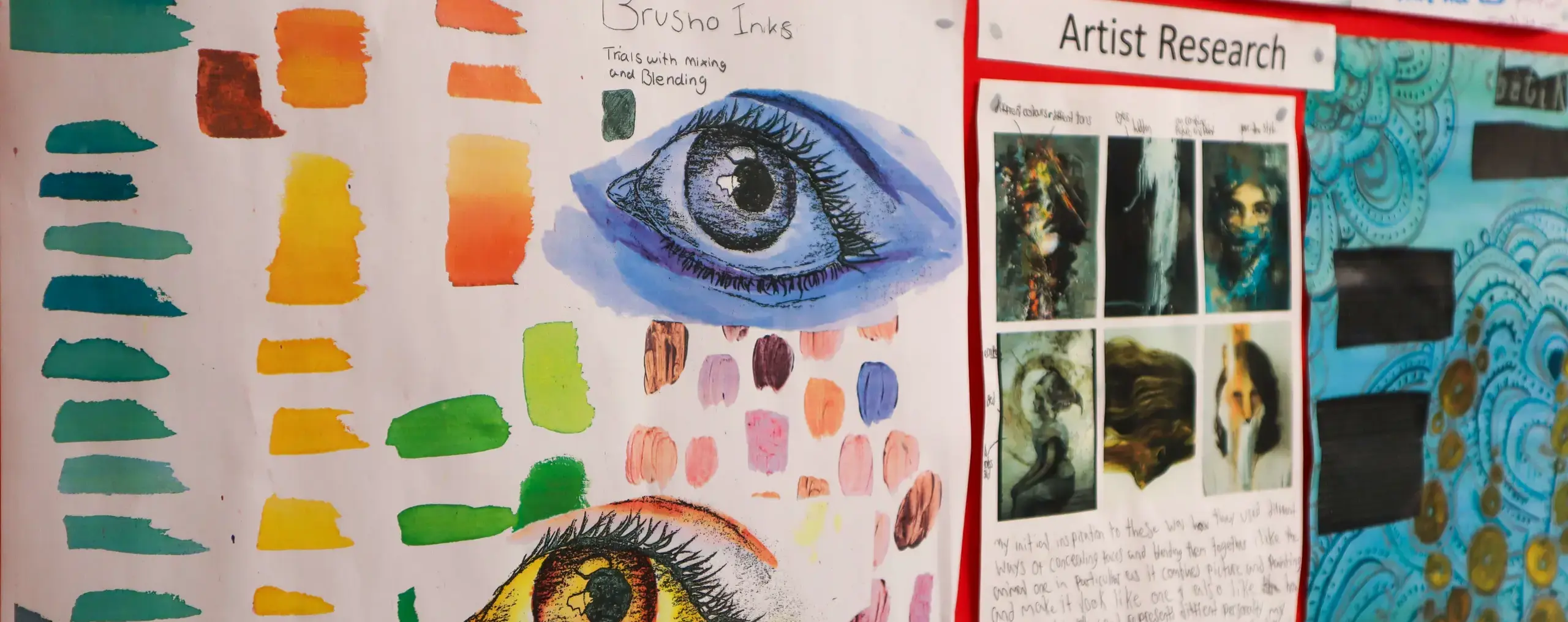
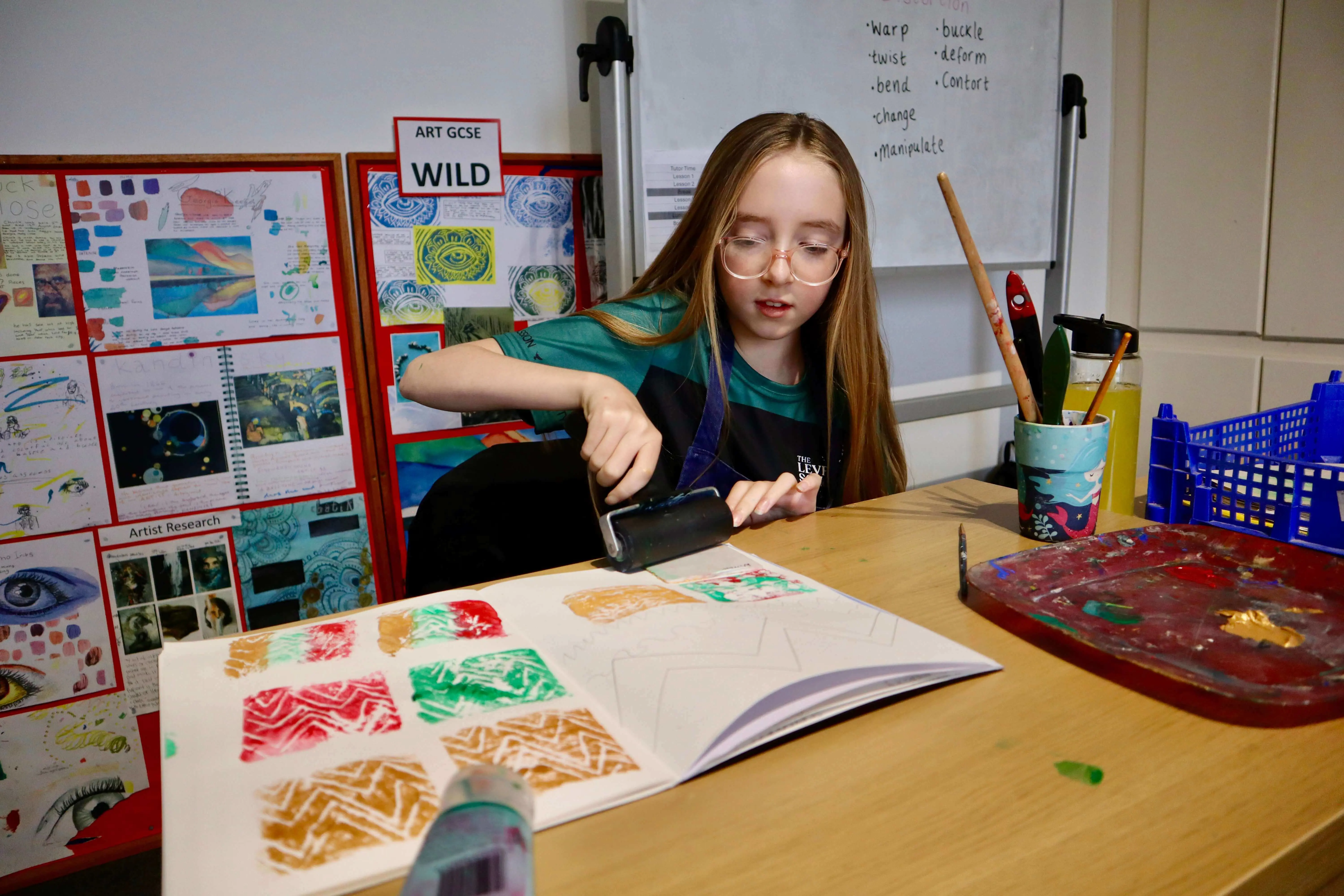
Through art there is an emphasis on developing a variety of skills including drawing, painting and sculpture. Skills are revisited and the use of an ongoing evidence book underpins this process of planning, designing and experimenting with a range of materials and tools. Wider experiences and introducing a range of interesting artists, architects and designers enable pupils to develop skill and grow an interest in art and design.
Our pupils learn about specific techniques such as colour, pattern, texture, line, shape, form and space. They learn to select and appropriately use tools including (but not limited to) paints, pencils, scissors, brushes, charcoal, and clay to showcase their ideas and designs. Pupils will learn about a variety of artists and their work, in order to use this as inspiration of style for their own art pieces. This enables pupils’ to see art as an ambitious subject, where they can aim to achieve great masterpieces.
Pupils learn and use vocabulary linked to the creative processes and develop their planning and critical evaluation skills.
Key Stage Three
| Year 7 | Year 8 | Year 9 | |
|---|---|---|---|
| Autumn Term | Mark-Making, Drawing, Colour and Pattern | Pop Art | Sugar Skulls - Mexican Day of The Dead |
| Spring Term | Natural Forms - Sculpture | Portraits and Figures | Still Life - Cubism |
| Summer Term | Environment and Collaborative Outdoor Project. | Street Art | Personal Project - Contemporary Art Project |
GCSE
At The Levels School, we offer AQA GCSE in Art, Craft and Design. This GCSE is broad enough to allow students to follow their own interests and skills within the defined structure of a GCSE. There are two components to the GCSE which students must complete.
| Component 1 |
|---|
| Must show evidence of working in areas of study drawn from two or more of the titles taking into account the distinguishing characteristics of art, craft and design. |
| Component 2 |
|
Must show evidence of areas of study drawn from one or more of the titles (non-exam assessment). Fine ArtFor example drawing, painting, sculpture, installation, lens-/light-based media, photography and the moving image, printmaking, mixed media and land art. Graphic CommunicationFor example communication graphics, design for print, advertising and branding, illustration, package design, typography, interactive design, (including web, app and game), multi-media, motion graphics, signage and exhibition graphics. Textile DesignFor example art textiles, fashion design and illustration, costume design, constructed textiles, printed and dyed textiles, surface pattern, stitched and/or embellished textiles, soft furnishings and/or textiles for interiors, digital textiles and installed textiles. Three-Dimensional DesignFor example architectural design, sculpture, ceramics, product design, jewellery and body adornment, interior design, environmental/landscape/garden design, exhibition design, three-dimensional digital design and designs for theatre, film and television. PhotographyFor example portraiture, location photography, studio photography, experimental imagery, installation, documentary photography, photo-journalism, moving image: film, video and animation, fashion photography. |
External Links
| Art Ninja | Olaf Falafel Art Club |
| Tate Kids |