
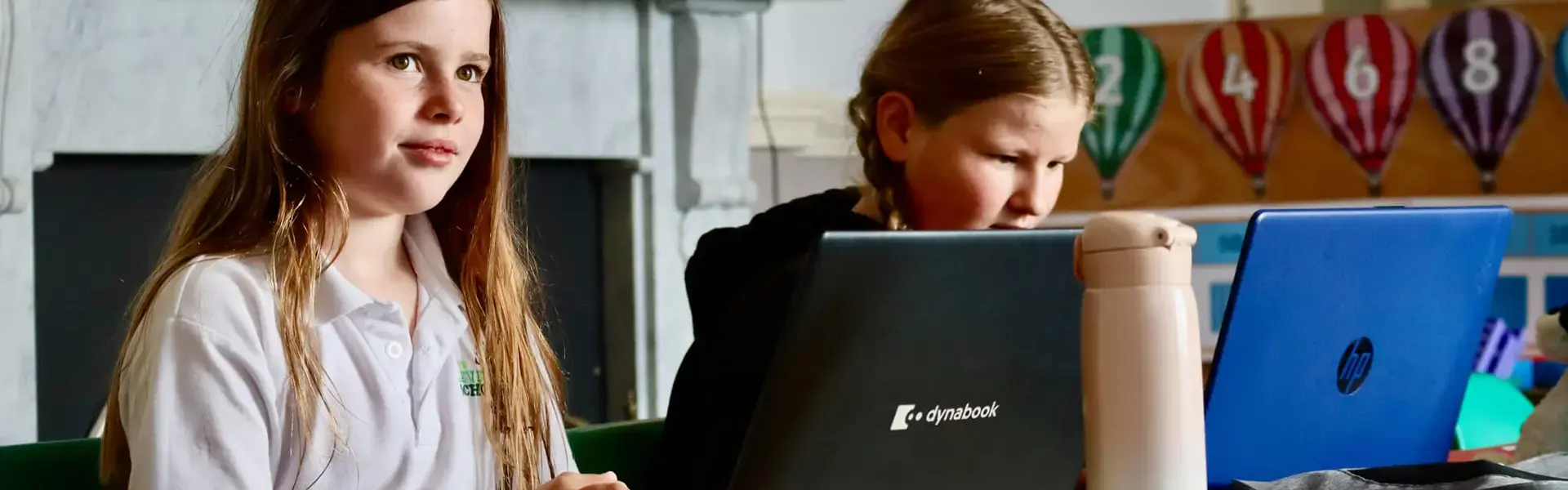
ICT At The Levels School
ICT is delivered mostly in line with national guidelines and supports our students in understanding how the digital world around them works. This is achieved through following the three strands of computer science, information technology, and digital literacy.
Algorithms, programming, and the structure of code are covered in our computer science modules; word processing, managing spreadsheets and manipulating images and videos are covered within the information technology modules. Digital literacy at The Levels School also extends into the PSHE elements with digital citizenship, digital law, social media and mental health, and work on cyber-bullying and online relationships.
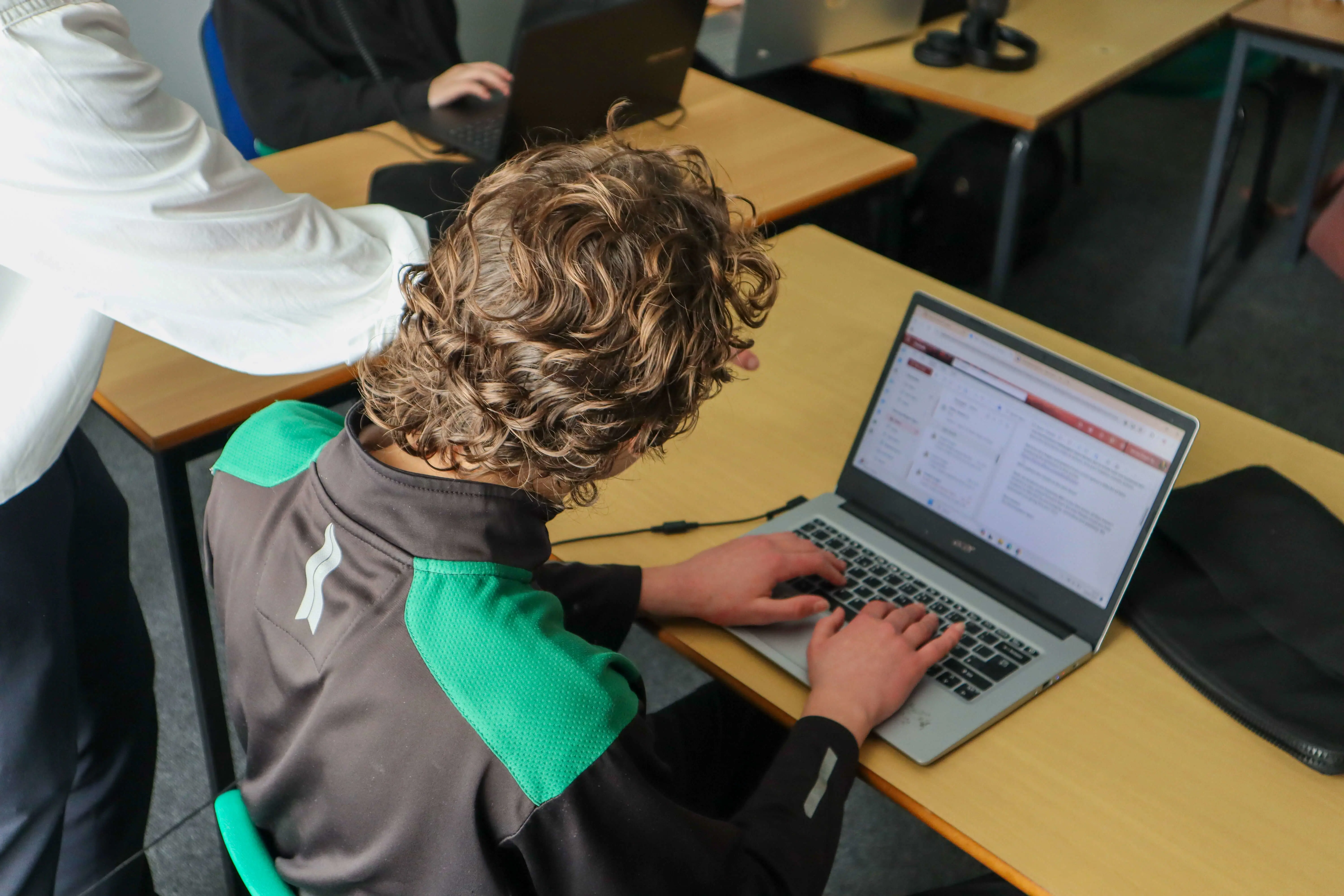
All lessons are delivered through online resources. We have a 'Bring your Own Device' setup which is managed through an online network monitoring and filtering system. The final goal of this subject in the curriculum is to build the students’ knowledge of the digital landscape; from a simple 'user' of a computer to becoming a confident and informed creator of content.
Prep
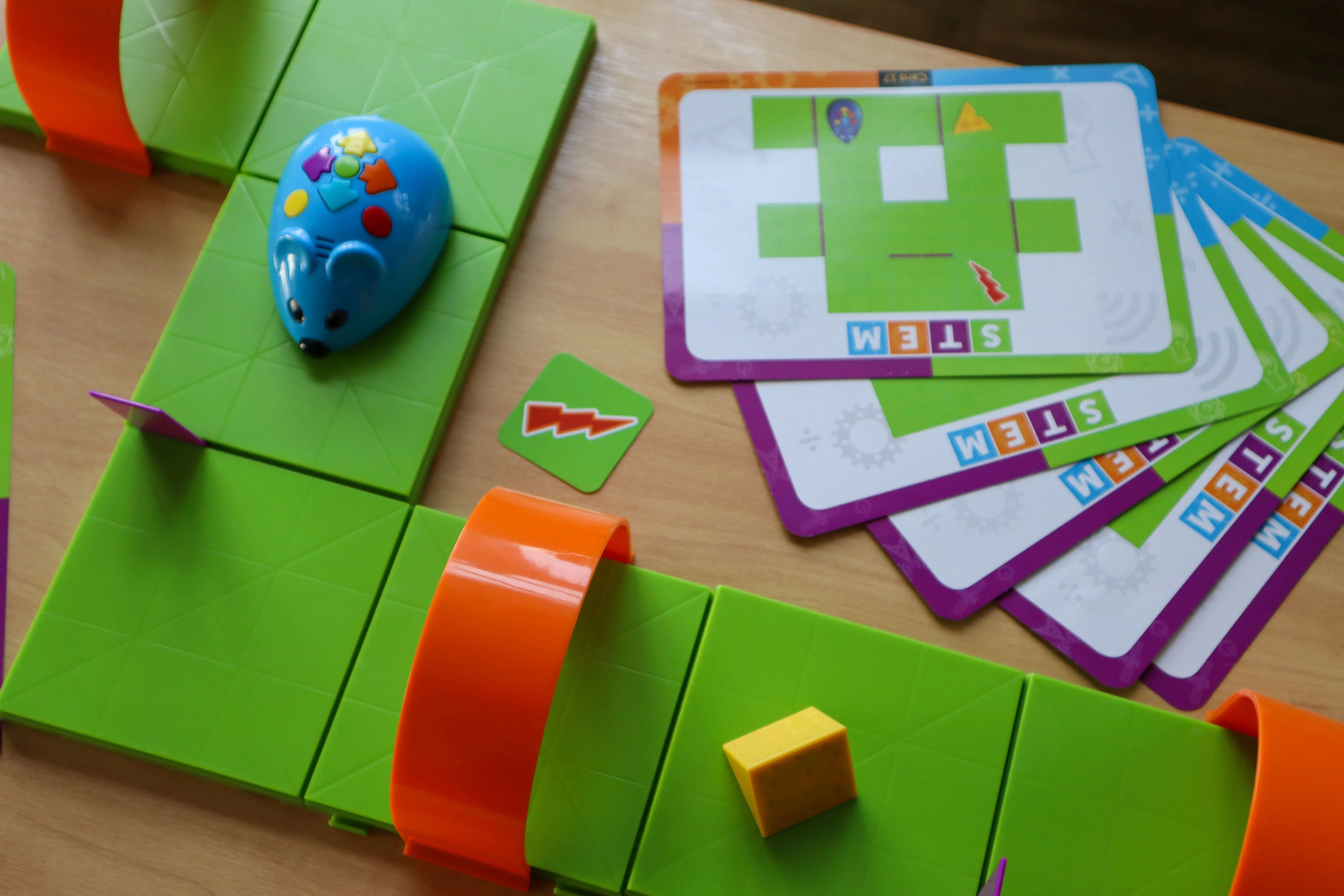
Computing at Prep is delivered to equip our pupils to use computational thinking and creativity to understand and change the world. Computing has deep links with mathematics, science, design and technology, and provides insights into both natural and artificial systems.
We want to ensure that our pupils become digitally literate – able to use and express themselves and develop their ideas through, information and communication technology – at a level suitable for the future workplace and as active participants in the digital world.
We aim for our pupils to be able to :
-
understand and apply the fundamental principles and concepts of computer science, including abstraction, logic, algorithms and data representation
-
analyse problems in computational terms, and have repeated practical experience of writing computer programs in order to solve such problems
-
evaluate and apply information technology, including new or unfamiliar technologies, analytically to solve problems
-
are responsible, competent, confident and creative users of information and communication technology.
Computing is a forever changing and updating area of the curriculum which we will be reflected in our curriculum development of computing.
Key Stage Three
| Year 7 | Year 8 | Year 9 | |
|---|---|---|---|
| Autumn Term | E-Safety and PowerPoint | E-Safety, AI Picture Creation and Animations | Digital Citizens and 3D Design |
| Spring Term | Microsoft Excel and Scratch Programming | Research skills and Coding with Python | Video Editing and Making a Game with Kodu |
| Summer Term | Microsoft Word | Advanced PowerPoint skills | Skills for GCSE – Online Research and Revision |
External Links
| BBC Bitesize | BrainPOP |
| Tynker | Lissa Explains |
| Blender | GIMP |
| Apache Open Office | Khan Academy |
| Google Drive | Prezi |
| Typing Club |
Holiday Activities
If you're looking to support your child's ICT studies at home, try the following activities:
Discuss digital safety with your children, and encourage open communication about how your children use technology.
Encourage your child to practice touch typing, a highly valuable skill for life. Try the Typing Club link above for free touch typing support.
Encourage use of different applications, such as word processing software, spreadsheets, coding applications, photoediting software and more. Try some of the links above for access to free online software.