Science at The Levels School
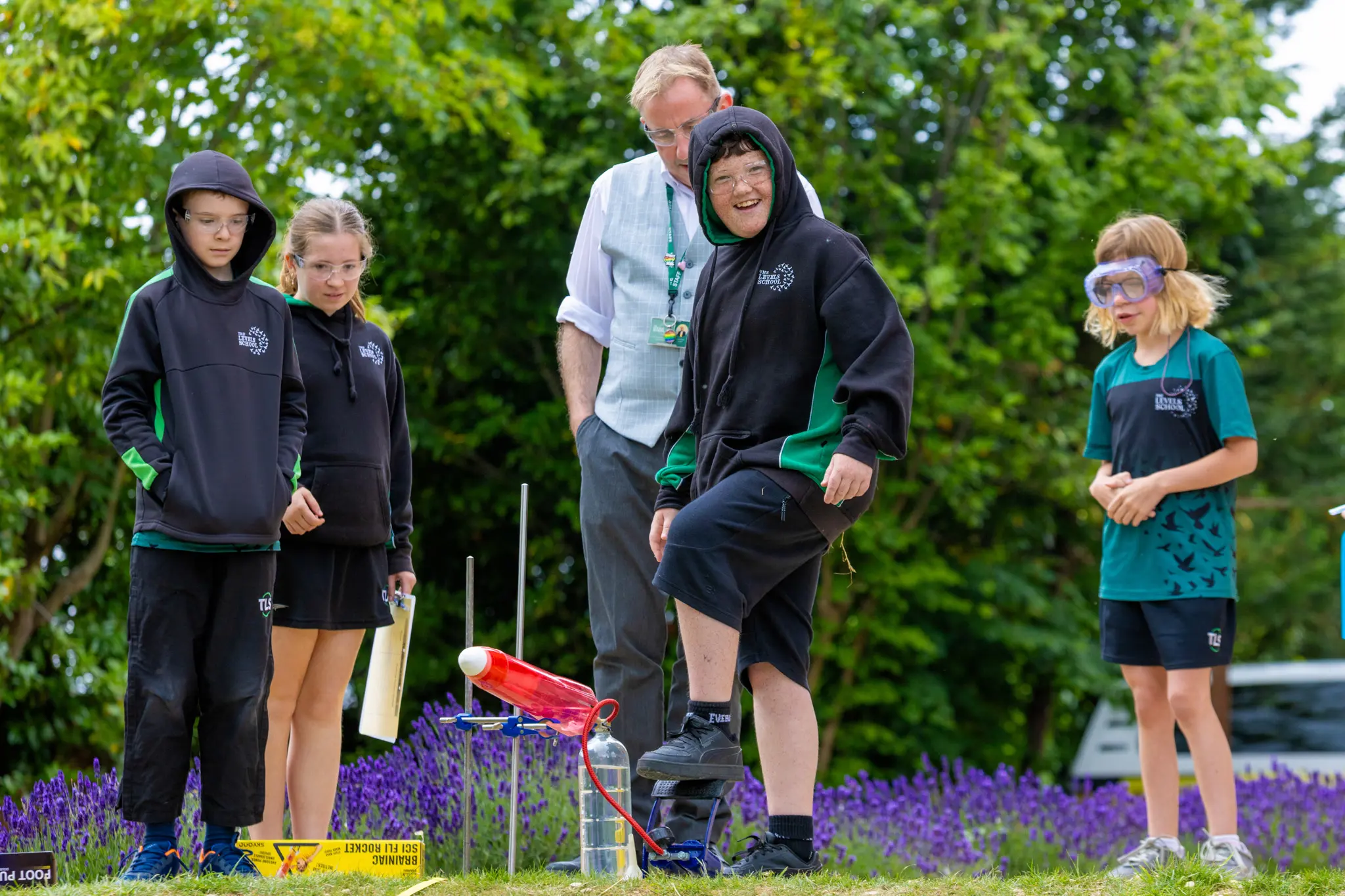
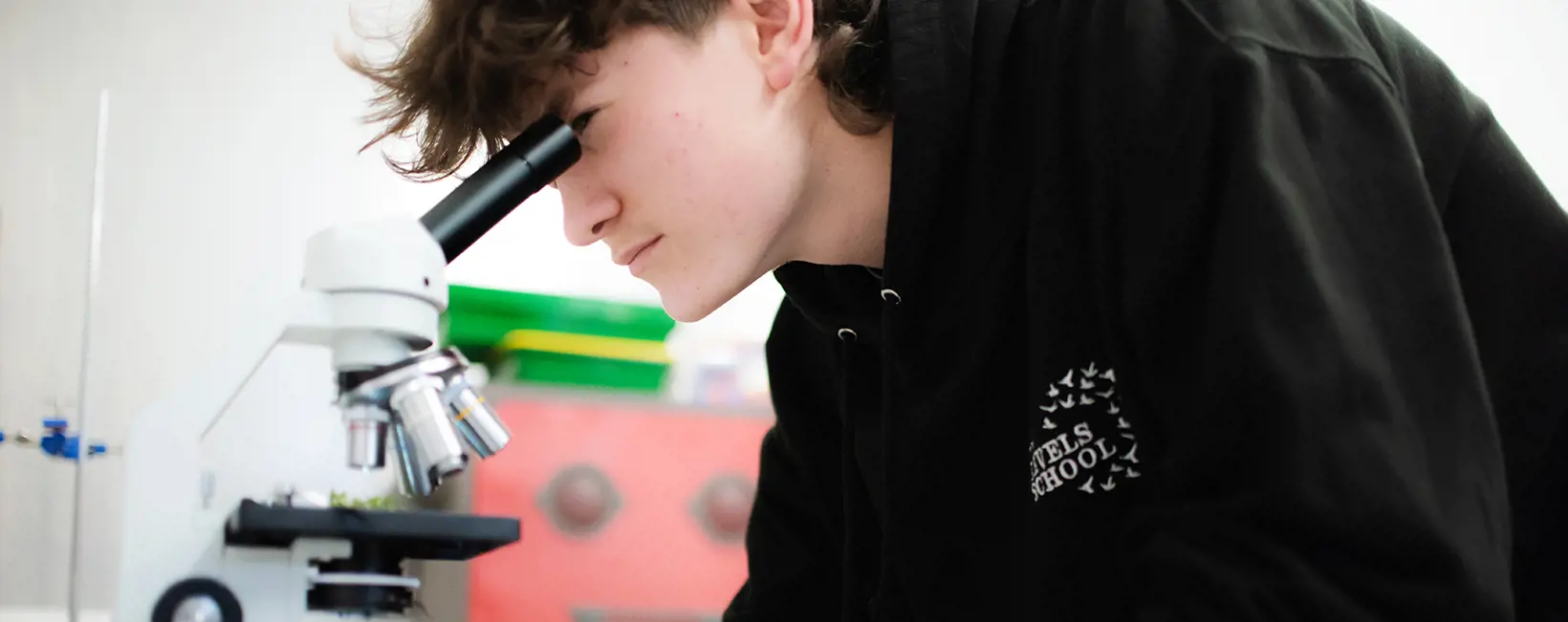
Our science curriculum is based mainly on the National Curriculum. The ethos for Science teaching is centred on investigation, encouraging an enquiring mind, and using multi-sensory learning.
In Prep we recognise that students have often fallen behind at previous non-specialist schools, and therefore the curriculum contains key concepts from Year 3 in addition to the Year 4, 5 and 6 work, building a strong base from which to begin year 7.
KS3 and year 9 have been written with future GCSE content in mind. This means that some subject areas are taught before they would be normally in the National Curriculum to allow for repetition, and then extension, into KS4. It also allows for the building of applied numeracy and literacy skills as part of the KS4 Science learning so that students can communicate their understanding fully and gain the best possible outcomes as they move into KS5.
Prep
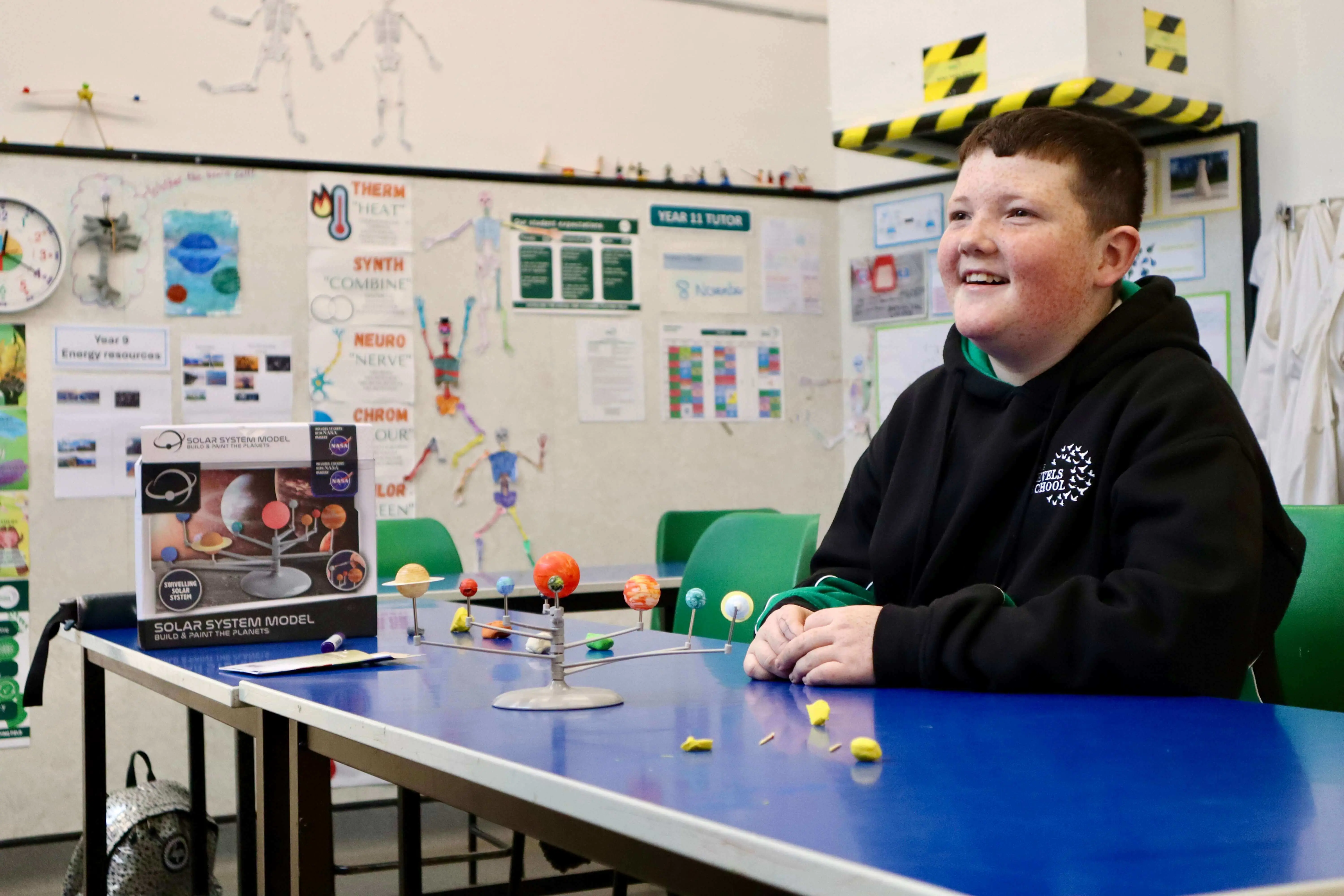
Prep students are taught in two classes, The Nest and Fledglings.
In Prep we believe that high-quality science education provides the foundations for understanding the world. Science has changed our lives and is vital to the world’s future prosperity, all pupils should be taught essential aspects of the knowledge, methods, processes and uses of science. Through building up a body of key foundational knowledge and concepts, our pupils should be encouraged to recognise the power of rational explanation and develop a sense of excitement and curiosity about natural phenomena. They should be encouraged to understand how science can be used to explain what is occurring, predict how things will behave, and analyse causes. While it is important that pupils make progress, it is also vitally important that they develop secure understanding of each key block of knowledge and concepts in order to progress to the next stage. Pupils should be able to describe associated processes and key characteristics in common language, but they should also be familiar with, and use, technical terminology accurately and precisely. They should build up an extended specialist vocabulary.
In Prep we run a 3 year rolling curriculum based on the National Curriculum. This ensures that all our pupils are given a breadth of learning opportunities , skills and knowledge. We regularly monitor coverage allowing any gaps to be closed.
| Year 1 | Year 2 | Year 3 | |
|---|---|---|---|
| Autumn 1 | Forces and Magnets | Living Things and Their Habitats | Living Things and Their Habitats |
| Autumn 2 | Forces | Electricity | Light |
| Spring 1 | Animals, including Humans | Animals, including Humans | Animals, including Humans |
| Spring 2 | Animals, including Humans | States of Matter | Earth and Space |
| Summer 1 | Evolution and Inheritance | Properties and Changes of Materials | Plants |
| Summer 2 | Rocks | Living Things and Their Habitats | Sound |
Key Stage Three
| Year 7 | Year 8 | Year 9 | |
|---|---|---|---|
| Autumn 1 |
The Earth in the Solar System. Mass and weight. Sound and light |
Bones. Muscles. Acids and alkalis |
Energy stores and transfers. GPE and KE. Producing electricity. Radioactivity |
| Autumn 2 |
States of matter. Diffusion. Cells and microscopy. Photosynthesis |
Physical and chemical changes. Reactions. Energy transfer. Energy changes |
Electricity. Compounds and mixtures. Mixtures. Reactions |
| Spring 1 |
Flower reproduction. Human reproduction. Interdependence. Separating mixtures |
Forces. Gravity. Static electricity. Breathing |
Periodic Table. Energy changes in reactions. Rate of reactions. Earth’s changing atmosphere |
| Spring 2 |
Elements, compounds and mixtures. Reactions. Electricity |
Respiration. Diffusion. Lungs. Fermentation |
Combustion. Fuels. Cells and microscopy Photosynthesis |
| Summer 1 |
Power. Magnetism. Electromagnetism |
Earth. Rocks. Ores.Recycling |
Diffusion and osmosis. Blood. Transport systems. Lungs and respiration. The heart |
| Summer 2 |
Healthy diet Design an investigation |
Speed, distance and time. Design an investigation |
Evolution. Particle theory. Springs |
GCSE
At The Levels School, Science is a core subject at KS4, meaning it is compulsory for all students. We offer Edexcel GCSE (9-1) Combined Science, which consists of six exam papers at the end of two years of study. For all exam papers there are a mixture of different question styles, including multiple-choice questions, short answer questions, calculations and extended open-response questions. Calculators may be used in all science exams.
| Paper 1 |
|---|
Biology 1Written examination: 1 hour and 10 minutes. 16.67% of the total qualification. Topics covered:
|
| Paper 2 |
Biology 2Written examination: 1 hour and 10 minutes. 16.67% of the total qualification. Topics covered:
|
| Paper 3 |
Chemistry 1Written examination: 1 hour and 10 minutes. 16.67% of the total qualification. Topics covered:
|
| Paper 4 |
Chemistry 2Written examination: 1 hour and 10 minutes. 16.67% of the total qualification. Topics covered:
|
| Paper 5 |
Physics 1Written examination: 1 hour and 10 minutes. 16.67% of the total qualification. Topics covered:
|
| Paper 6 |
Physics 2Written examination: 1 hour and 10 minutes. 16.67% of the total qualification. Topics covered:
|
External Links
| Brain Pop | Primary Literacy |
| Doc Brown | freesciencelessons |
| KS2 Bitesize | KS3 Bitesize |
| KS4 Bitesize | Khan Academy |
| Oak Academy | CBBC Science |
| BBC Ideas | TedEd Science |
| Seneca Learning |
Holiday Activities
If you're looking to support your child's science studies at home, try the following activities:
Read books relating to science, both fiction and non-fiction. Many children especially love bizarre fact books like Ripley's or Guinness World Records. Books like George's Marvelous Medicine by Roald Dahl can spark an interest in chemistry.
Watch films, documentaries and TV shows which are relevant to science. Natural history documentaries such as those narrated by David Attenborough are fantastic. Science fiction, such as Star Trek, Star Wars, Gattaca, Avatar etc, often utilises ideas from "real" science and can spark an interest in children.
Bake or cook together, and encourage your child to take responsibility for measuring ingredients and checking the recipe is followed. Many of the skills needed in cooking are similar to those needed in a practical experiment.
Home science kits where children can do fun experiments are a great way to engage with science at home.
Have discussions about how things work. Children are natural scientists - they're curious about the world around them. Many children love to discuss interesting questions, such as... why does the sun shine? What makes something alive? Why is water blue? What happens to the stars during the daytime?